DOJ Removes ICE Attorney Who Said “This Job Sucks” in Court
Julie Le has been removed from her detail in Minnesota after her exceptionally blunt remarks in court.

The Justice Department attorney who told a Minnesota judge Tuesday to hold her in contempt because “this job sucks” has been removed from her post.
Julie Le was filling in at the U.S. Attorney’s Office in Minnesota to help with a heavy caseload as immigrants challenge their detentions. In court, she was asked by Judge Jerry Blackwell why Immigration and Customs Enforcement wasn’t complying with several court orders to release detained immigrants. Le admitted that her office, depleted by resignations in protest of Trump administration policies, simply could not keep up.
“They are overwhelmed, and they need help, so I, I have to say, stupidly [volunteered],” Le said, noting that getting ICE to follow court orders was like pulling teeth. The stress clearly had gotten to Le, who normally works directly for ICE in immigration court, and she was unable to keep herself together.
“I wish you would just hold me in contempt of court so I can get 24 hours of sleep. I work days and nights just because people (are) still in there,” Le said. “The system sucks, this job sucks, I am trying with every breath I have to get you what I need.”
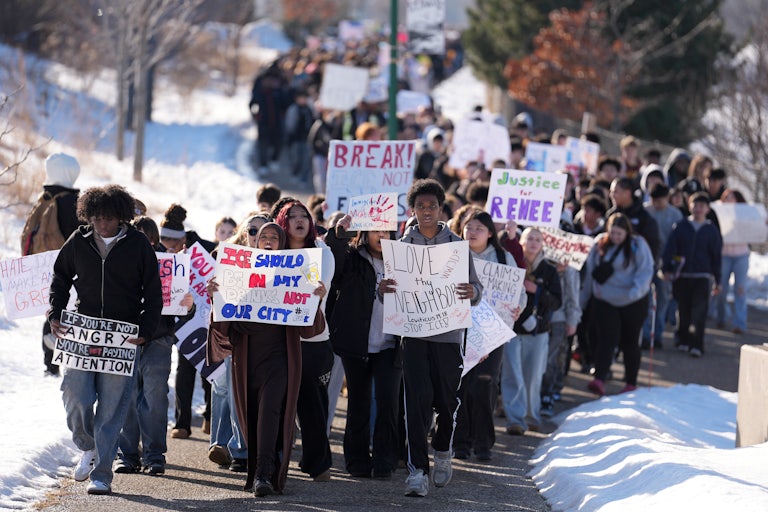
Le will now leave the U.S. Attorney’s Office in Minnesota and return to her job at ICE. The Minnesota office has seen more resignations in the past month than it normally has in a year, thanks to the Trump administration’s violent immigration enforcement in Minnesota leading to the killing of Renee Good and Alex Pretti. Meanwhile, the government continues to flout court orders and violently detain immigrants based on scant evidence.
Blackwell admonished the Trump administration in court Tuesday, warning Le that “a court order is not advisory and it is not conditional.”
“It is not something that any agency can treat as optional while it decides how or whether to comply with the court order,” Blackwell said. “Having what you feel are too many detainees, too many cases, too many deadlines, and not enough infrastructure to keep up with it all, is not a defense to continued detention. If anything, it ought to be a warning sign.”