Mystery of Trump’s Hair-Loss Drug Exposes Bigger Issue With His Health
Donald Trump’s team abruptly stopped disclosing if he’s taking a certain drug.

The results of Donald Trump’s most recent physical examinations omitted a hair-loss drug the president has been taking for years—raising red flags for health experts, The Washington Post reported Thursday.
The glowing report on Trump’s most recent trip to Walter Reed National Military Medical Center included a list of medications the president takes, but did not include finasteride—the generic name of Propecia—a hair-loss drug Trump used during his first term. When the Post asked whether the president was still taking Propecia, the White House said it was not obligated to reveal the full range of medications the president was taking.
“The current report reflects all medications deemed clinically relevant to disclose at this time,” the White House said in a statement, adding that the medical report released Friday included information relevant to his ability to serve as president.
The White House insisted: “No additional undisclosed conditions or procedures materially affecting his health status were omitted from this report.”
But a range of health experts told the Post that the White House’s lack of transparency suggested that there could be other elements of the president’s health that were being kept out of view.
“It raises significant questions of what else is possibly not being revealed,” said Robert Klitzman, a psychiatrist who leads Columbia University’s master’s program in bioethics. He warned that finasteride had been linked to an increased risk of depression, which would have potential effects on the president’s performance.
“We want to make sure that we’re getting the full story in order to know that whoever occupies a position can sufficiently carry out the responsibilities of the office,” Klitzman told the Post.
Despite the fact that treatment for a cosmetic condition is less serious than treatment for a medical one, Steve Joffe, a physician and bioethicist at the University of Pennsylvania Perelman School of Medicine, pointed out that “there isn’t much downside” to disclosing the continued use of hair-loss drugs.
“There’s a certain level of openness and disclosure that people have a right to expect from someone in whom they place such profound trust,” Joffe told the Post.
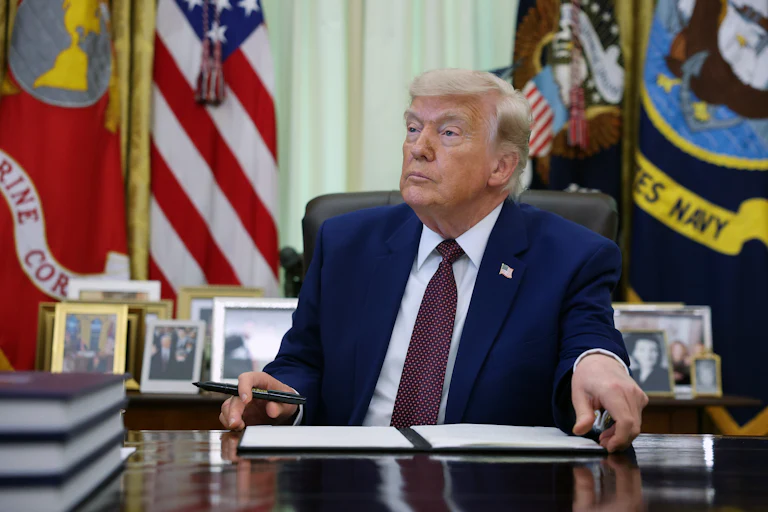
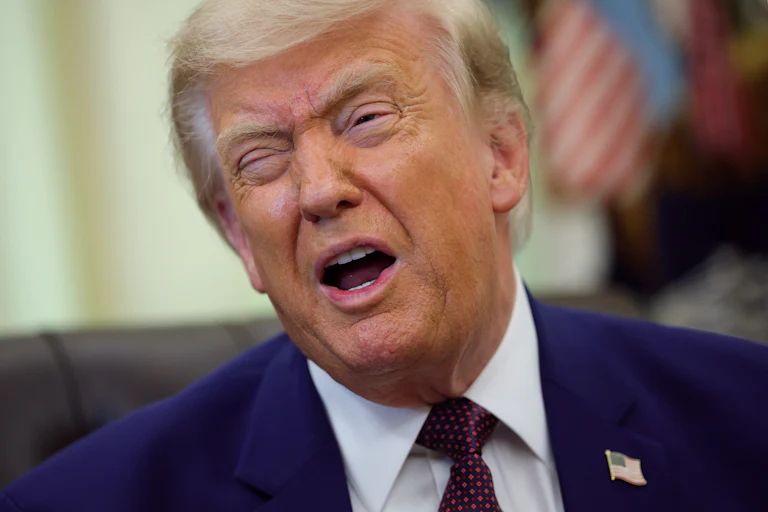
Concerns over Trump’s mysterious prescription cocktail come as medical experts found his latest medical report lacked specificity where it matters. Trump’s consistently glowing results contrast directly with what Americans can see: visible bruising and rashes, his frequent on-camera naps, and the fact that he is an 80-year-old man who rants madly about how healthy he is.