Turns Out a Massive Bribe Was Behind the FDA’s Vaping Decision
A new report reveals how easy it is to purchase new regulations under the Trump administration.

Donald Trump just wants to let the kids vape.
Eight days after Reynolds American, an American tobacco company with a history of government lobbying, threw $5 million at a Trump-backed super PAC, the Food and Drug Administration moved to ease restrictions on flavored vapes, allowing companies like Reynolds to roll out flavors previously banned because they were too marketable to minors.
The donation was made April 30 and revealed in a campaign finance filing posted Wednesday. It was first reported on by The New York Times.
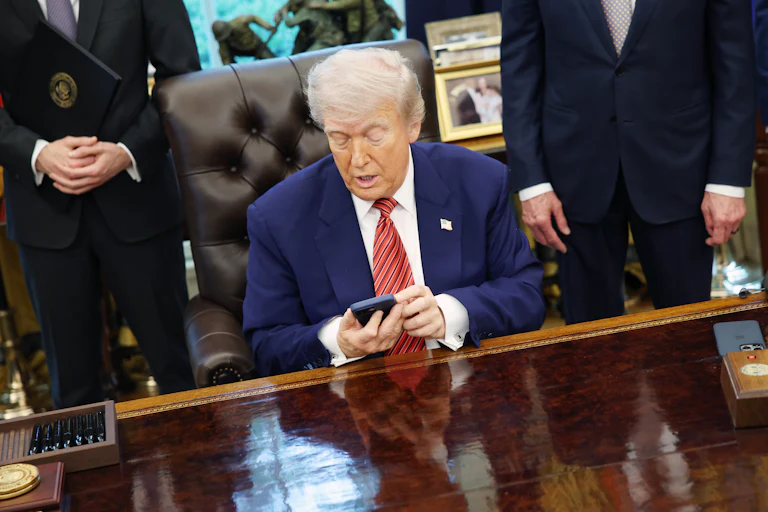
Shortly after the $5 million donation, a Reynolds executive and two Reynolds lobbyists had lunch with Trump at his Florida golf club, and reportedly pressed the president on current FDA regulations. Trump pulled out his phone and called his appointed commissioner of the FDA, Marty Makary, to complain. Makary did not pick up.
The next week, The Wall Street Journal found that the president had become frustrated with Makary because of his refusal to approve blueberry, mango, and menthol vapes from one manufacturer due to health concerns. Under pressure from Trump, the FDA announced a few days later that it was removing some restrictions, and Makary resigned.
In his first term, Trump took some steps to control youth vaping, which was exploding in popularity. But on the campaign trail in 2024, he pulled an about-face, promising to “save vaping” in a poorly disguised effort to capture the youth vote.
Vapes from Chinese companies sold in American convenience stores and gas stations remain popular with young people, and have created a $6 billion market share. Instead of properly regulating those devices and reducing vaping rates, Trump would prefer that U.S. companies profit from the crisis, as well—and donate to his super PACs, of course.