Some of the books we chose this year touched familiarly big themes: the place of the United States in the Americas; the weakness of democracy in the U.S. and what it would take to shore it up. And some are close-up, intimate studies of the subtlest changes in the relationships between just three people, as in Katie Kitamura’s Audition. What they all share is intellectual ambition and precision. These are books that contemplate motherhood in the digital age and motherhood amid grief, the machinations of private equity and the strange deterioration of the internet, the legacy of the 2000s and the future of democracy. Our critics didn’t always agree with the arguments of some of books below but found all of them worth arguing, and thinking, with.

Y2K: How the 2000s Became Everything (Essays on the Future That Never Was) by Colette Shade
Dey Street Books, 256 pp., $29.99
The new millennium promised a more peaceful, more stable, and more prosperous world. What happened? “Beginning in 1997 with the introduction of Netscape Navigator—a pivotal moment in the career of the internet—and ending with the onset of the Great Recession in 2008, the Y2K era seemed to bear out Fukuyama’s ‘end of history’ thesis,” Paul M. Renfro writes in his review. “Its rampant techno-optimism, evidenced by the dot-com bubble of the late ’90s and early 2000s, joined with hyper-consumerism and a steadfast belief that ‘the West’ had transcended politics to forge an ‘ecstatic, frenetic, and wildly hopeful’ decade.
Yet as Shade persuasively demonstrates, this hopeful energy masked not only the failures of global capitalism … but also the political vacuity and cultural rot of the period.” While the New Democrats continued the “punitive, deregulatory, and market-centric policies” of the 1980s, the “bubblegum glam of Y2K pop culture … reflected and advanced the profound misogyny and fatphobia of the period. We are still living with the consequences.”
Read our full review.
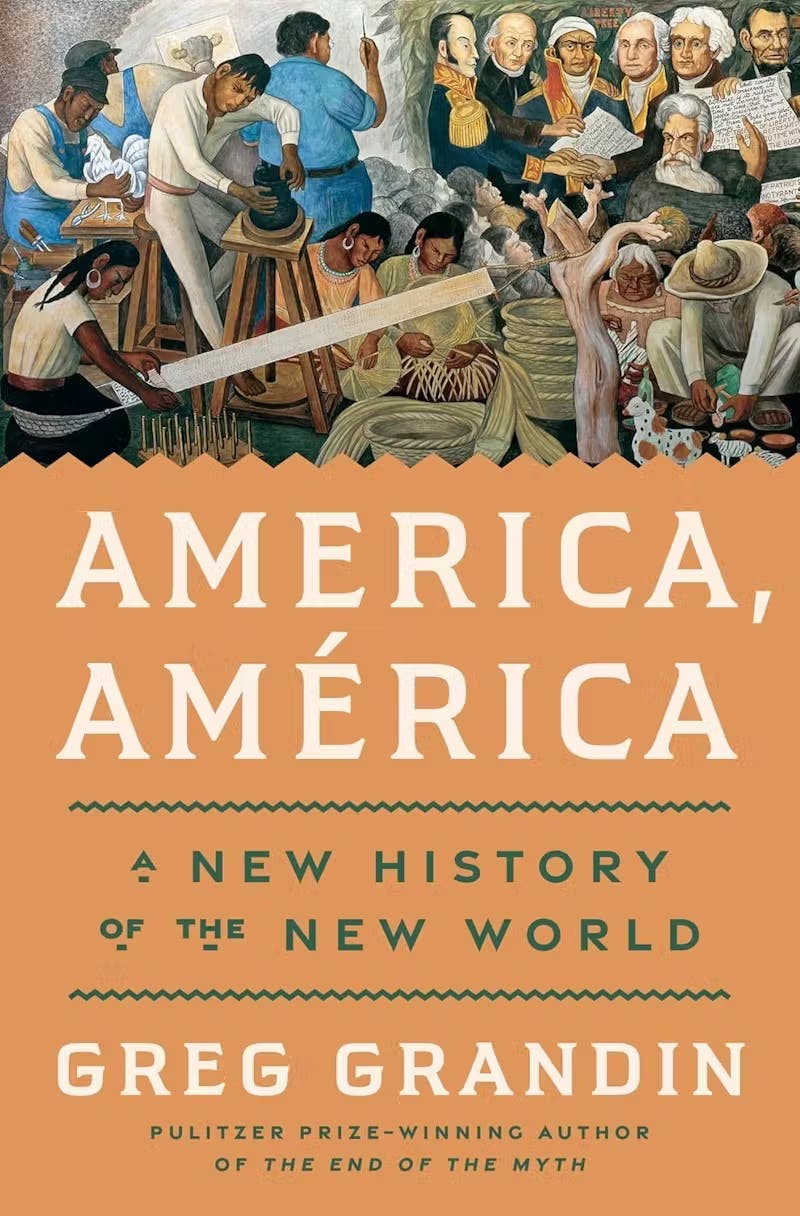
America, América: A New History of the New World by Greg Grandin
Penguin Press, 768 pp., $35.00
“There is a tendency to draw sharp lines of civilizational difference between ‘North’ and ‘Latin’ America,” Patrick Iber writes. “People in the United States tend to think their peer countries—if they admit that they have any—are in Europe, not Latin America.”
Greg Grandin’s sweeping history of the new world shows how richly intertwined the United States is with Latin America. They also share many of the same problems. “If you sort countries by level of present-day inequality rather than by per capita income, the United States does not look like Europe at all but falls somewhere between Bolivia and Chile,” Iber observes. “It may make sense to think of the United States as a wealthy Latin American country, rather than an offshoot of Europe mysteriously governed by cowboys.”
Read our full review.
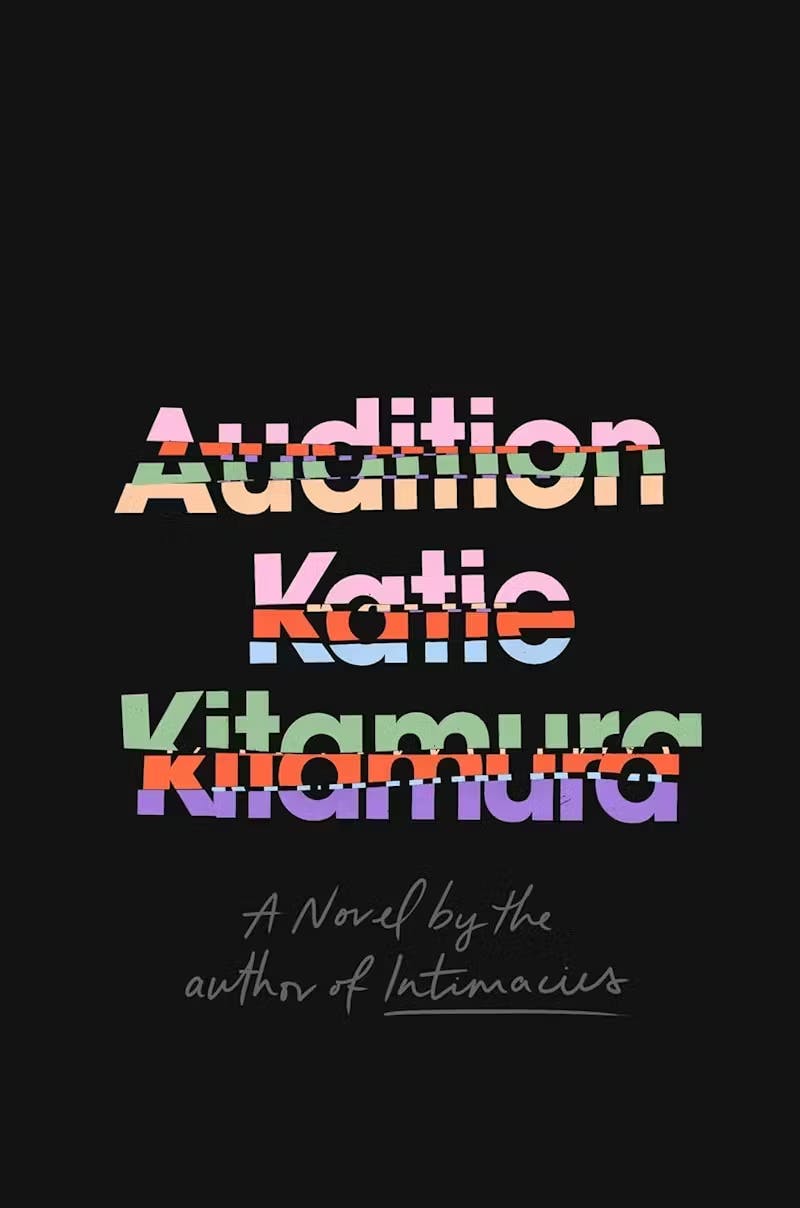
Audition by Katie Kitamura
Riverhead Books, 208 pp., $28.00
“In Kitamura’s fictional universe, everyone is always watching and being watched, and adapting their behavior to fit the expectations of others. Even in our most intimate moments, this novel suggests, we are always onstage,” Maggie Doherty writes. No one knows quite how to react when a young man presents himself to the unnamed narrator as her long-lost son. It can’t be, she protests; she’s never given birth. Yet the characters quickly form an intimate grouping, acting sometimes exactly as if they are family, and leaving the reader reading between the lines to figure out the true nature of their relationships—as Doherty puts it: “Plays may have scripts and stage directions, but so, too, do restaurant dinners, intimate breakfasts, and exchanges between a mother and a son.”
Read our full review.
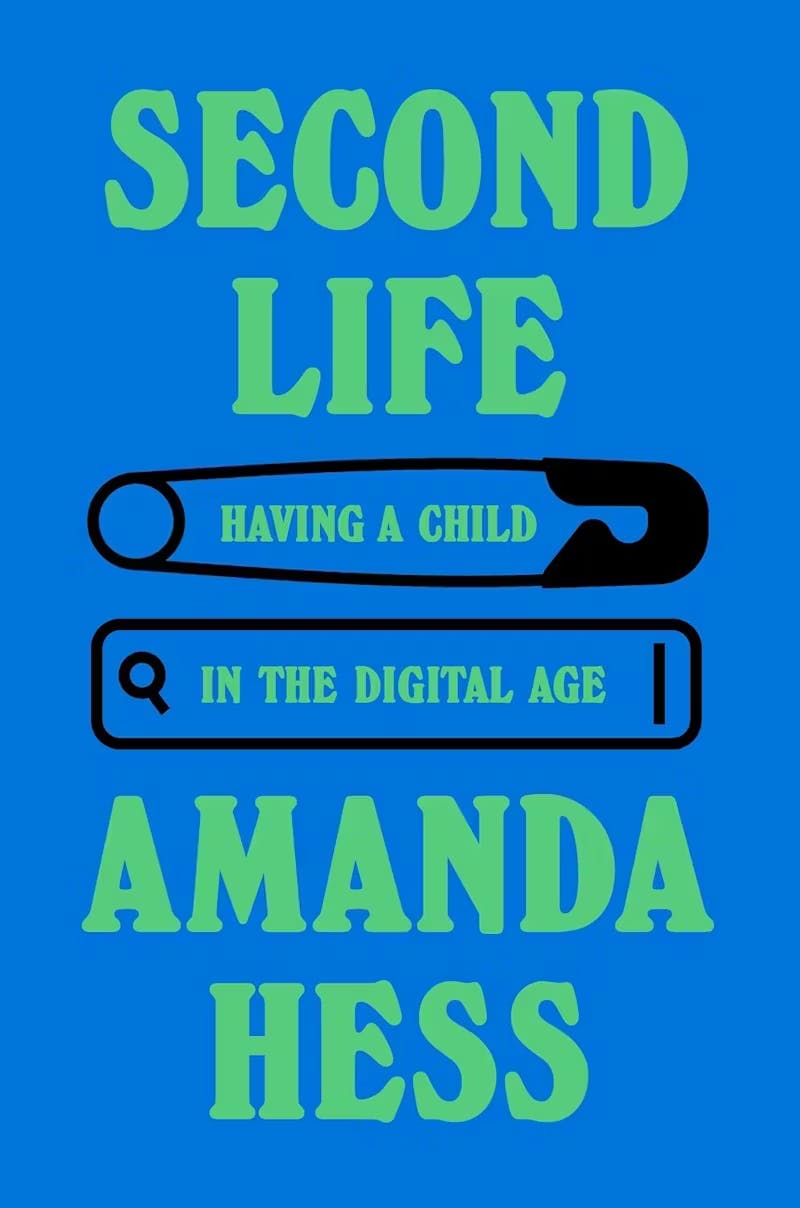
Second Life: Having a Child in the Digital Age by Amanda Hess
Doubleday, 272 pp., $29.00
“As a longtime reporter on internet culture for The New York Times and elsewhere, Amanda Hess excels at connecting our private online encounters to wider cultural shifts. In her debut memoir of ‘having a child in the digital age,’ she skewers the fluttering trends and quirks of the internet with the gentle ruthlessness of a lepidopterist, whether she’s describing the TikTok spectacle of tradwives in kitchens ‘as white as a near-death experience,’ or escaping angry Reddit forums to ride the ‘pastel carousels’ of Instagram,” Joanna Scutts writes. “Rather than yearning for some lost Eden of unmediated parenting, Hess accepts that we are all, now, dwellers in ‘the digital age,’ and she navigates that landscape with humor and nuance.”
Read our full review.
Things in Nature Merely Grow by Yiyun Li
Farrar, Straus and Giroux, 192 pp., $26.00
Early on in Yiyun Li’s memoir, she lays out the stark central facts of the book: “My husband and I had two children and lost them both: Vincent in 2017, at sixteen, James in 2024, at nineteen. Both chose suicide, and both died not far from home; James near Princeton Station, Vincent near Princeton Junction.” Li’s direct tone, Jane Hu writes, “exemplifies her approach throughout the book. Having lost both her children, the author is not interested in mincing words. Things in Nature Merely Grow is at once blunt and cutting—sparing no one, and least of all Li herself.”
Read our full review.
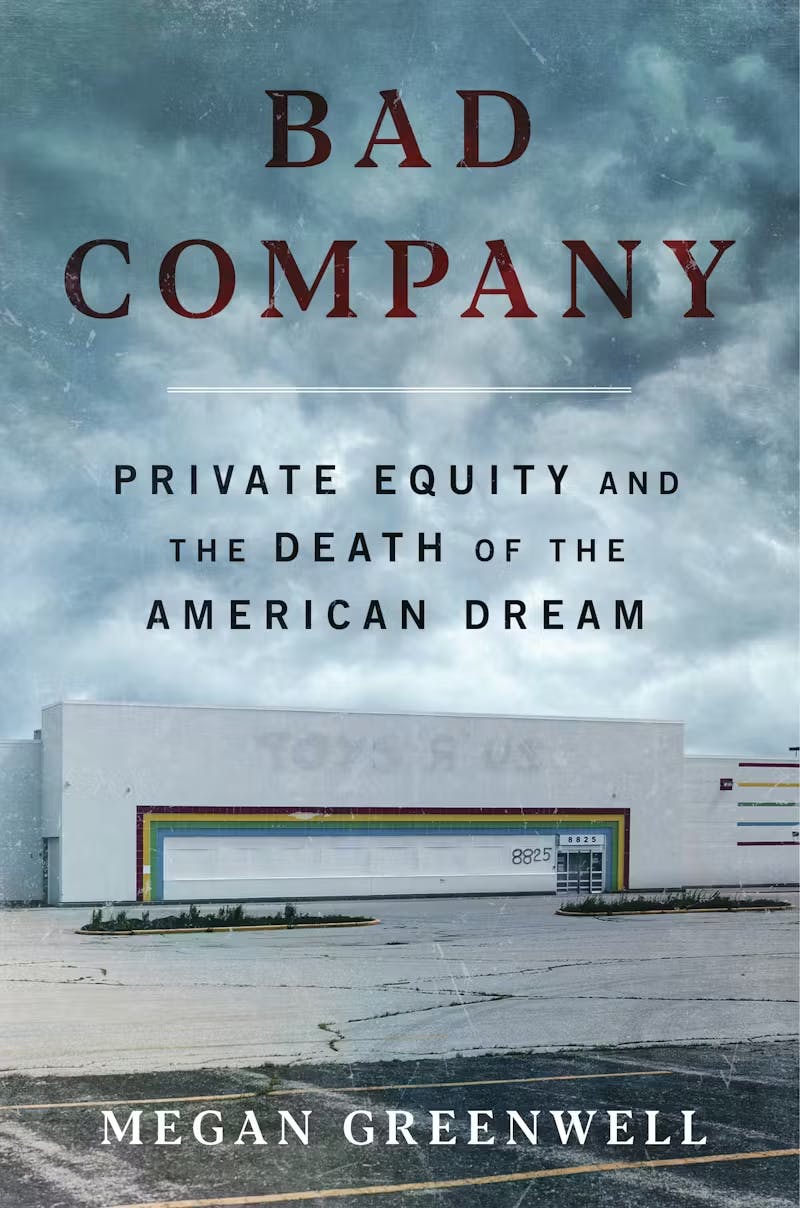
Bad Company: Private Equity and the Death of the American Dream by Megan Greenwell
Dey Street Books, 320 pp., $29.00
Private equity firms have bamboozled the public for years about their expertise in “fixing” companies. Yet they often—and sometimes deliberately—run them into the ground. Journalist Megan Greenwell was editor in chief of the beloved sports website Deadspin in 2019, when Great Hill Partners acquired the company and began to chip away at the site’s integrity, flooding web pages with intrusive ads, gutting the product and sales teams, and handing down bizarre mandates to editorial staff. Greenwell quit, along with much of her staff, and set out on an investigation. Her book, Molly Osberg writes, “seeks to answer the questions many people at the receiving end of a private equity takeover want to know: Who are these people, how did they get here, and what on earth do they actually want?”
Read our full review.
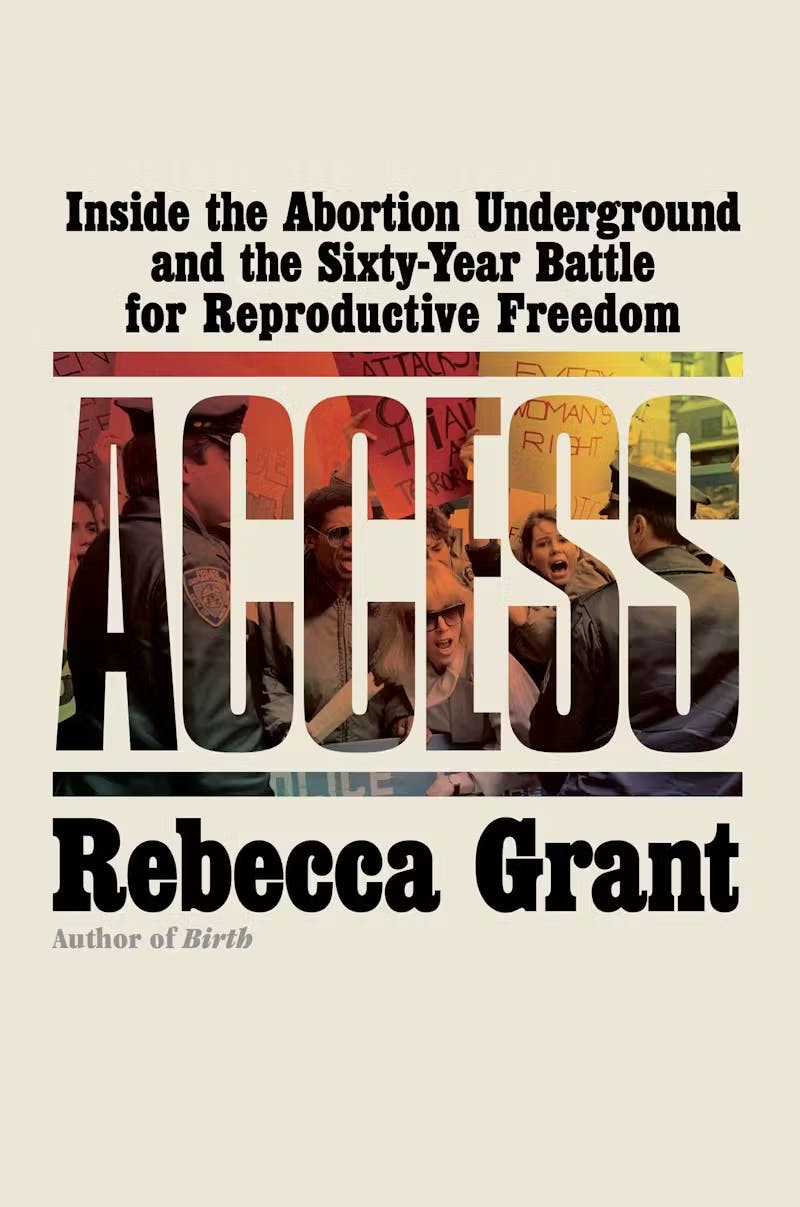
Access: Inside the Abortion Underground and the Sixty-Year Battle for Reproductive Freedom by Rebecca Grant
Avid Reader Press/Simon & Schuster, 480 pp., $29.99
“The conversation about abortion politics in the United States often focuses on laws—on winning rights and taking them away—and on morals,” Jessie Kindig points out in her review. Rebecca Grant instead “focuses on access: getting people the reproductive care they seek.” Her book tells the story of activists who took often creative measures to direct women toward reproductive care: from the Janes, who operated an underground abortion network in Chicago in the 1960s and ’70s, to “abortion pirates” who converted a fishing trawler into a floating clinic in Dublin’s harbor in the early 2000s. “These activists show in practice that to put women’s need for abortion at the center of the story is to see that abortion is about democracy, autonomy, and the ability to participate wholly in civic society,” Kindig writes. “As such, Grant’s book should be required reading for every American.”
Read our full review.
The Right of the People: Democracy and the Case for a New American Founding by Osita Nwanevu
Random House, 384 pp., $31.00
What would it take for the United States to live up to the promise of its founding? Osita Nwanevu’s The Right of the People makes three bold claims: “that democracy is good, that America is not a democracy, and that America should become a democracy through the transformation not only of our political institutions but of our economy.” The United States is currently too unequal, and its political system too studded with anti-majoritarian features to enable self-rule. Major reforms—including the abolition of the Senate filibuster and the Electoral College—are needed, and enacting them will be a “complicated process,” Patrick Iber writes. “This is not just a Project 2029, but a Project 2049: imagining what a better country could look like and planning for how we could get there.”
Read our full review.
Enshittification: Why Everything Suddenly Got Worse and What to Do About It by Cory Doctorow
MCD, 352 pp., $30.00
The internet is awash with AI slop. Streaming services make you pay every month for albums and movies you used to own. Online stores sell ersatz versions of real items, and the software that keeps your car running might shut the whole thing down when you are in the middle of a trip in order to force a software update. The internet was meant to promise a better world. How did it end making so many day-to-day experiences just a little worse?
Cory Doctorow calls this process of gradual decline “enshittification.” The resulting book “is a swift and entertaining, if frequently enraging, read,” Jacob Bacharach writes. “The most salient characteristic of Doctorow’s diagnosis is that the decline is neither sudden nor accidental, but that it is deliberate.” The platforms, Doctorow argues, lure users in with convenience and initially low fees, “before purposefully and incrementally sucking back all the value and profit in the system through decreasing or eliminating investment in services and support.… ‘Shit,’ as the Occupy Wall Street protest sign memorably proclaimed, ‘is fucked up and bullshit.’”
Read our full review.
Shadow Ticket by Thomas Pynchon
Penguin Press, 304 pp., $30.00
Thomas Pynchon’s new book “is a lively, amusing yarn, unfolding across the American Midwest amid the Great Depression and Central Europe under the sinister umbra of rising fascism. It may be Pynchon’s most purely comic novel to date,” John Semley writes. “Whatever its shortcomings, Shadow Ticket should still rightly be regarded as an artifact from a writer who is altogether sui generis: a rare, and perhaps final, gift—like getting a postcard from an old friend, dispatched from another dimension. Or a rambling crank call from a weird uncle you haven’t heard from in years.”
Read our full review.